By Theresa Shay
This week, “stillness” (see last week’s blog) meets food as the US prepares for Thanksgiving feasts, and holiday gatherings begin to fill the calendar.
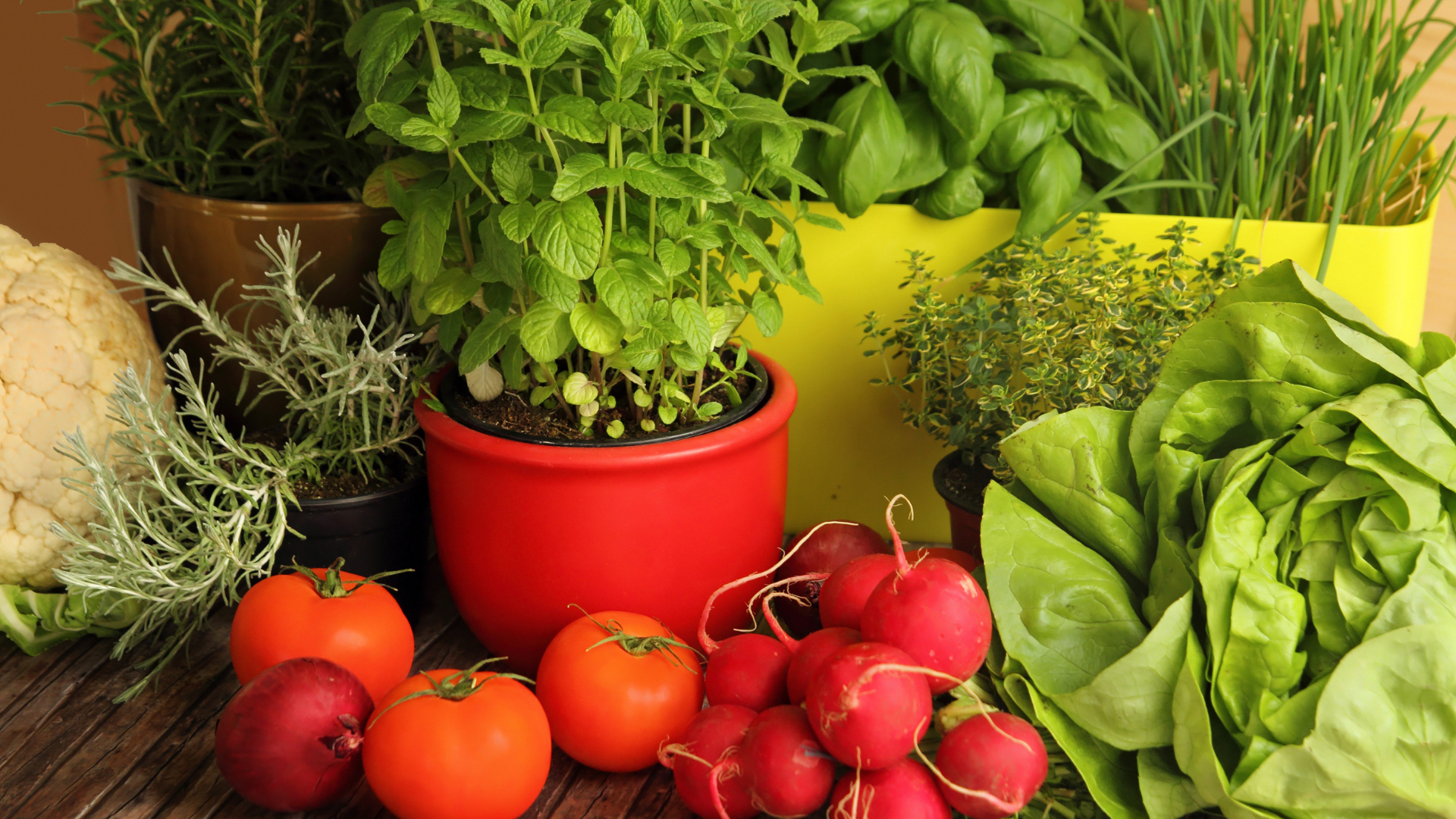
How I eat has transformed over the decades of my yoga life. What I eat, how I source it, how I prepare it, and the conditions I create around eating it all contribute to my peace. The sattvic energy that envelops us in deep relaxation does not need to leave when we roll up the yoga mat and head to the kitchen or sit down at the table. In fact, it should not. Yoga is not meant to be a moment on the mat. It is an invitation to live life aligned and connected.
How can we sustain that peaceful, sattvic state when practice is over? How do we nourish ourselves with the vibration of the yoga sutra from last week, “Be still | Be stilled | Stay”? One open door is to begin with the part of ourselves most clearly connected to this physical existence: the physical body, sustained by what we eat.
Yoga describes the outermost form, and densest layer covering of the soul, as the food sheath. It is formed from the food we eat and returns to nourish the earth when that covering’s work is done. You are what you eat, in this outermost layer.
Food choices are personal, and each of us is responsible for finding the nourishment we need. Food choices are also often unexamined and uninformed. Beneath the radar, modern industrial agriculture and giant food corporations may have turned you, your parents, your kids, toward food that doesn’t serve vitality.
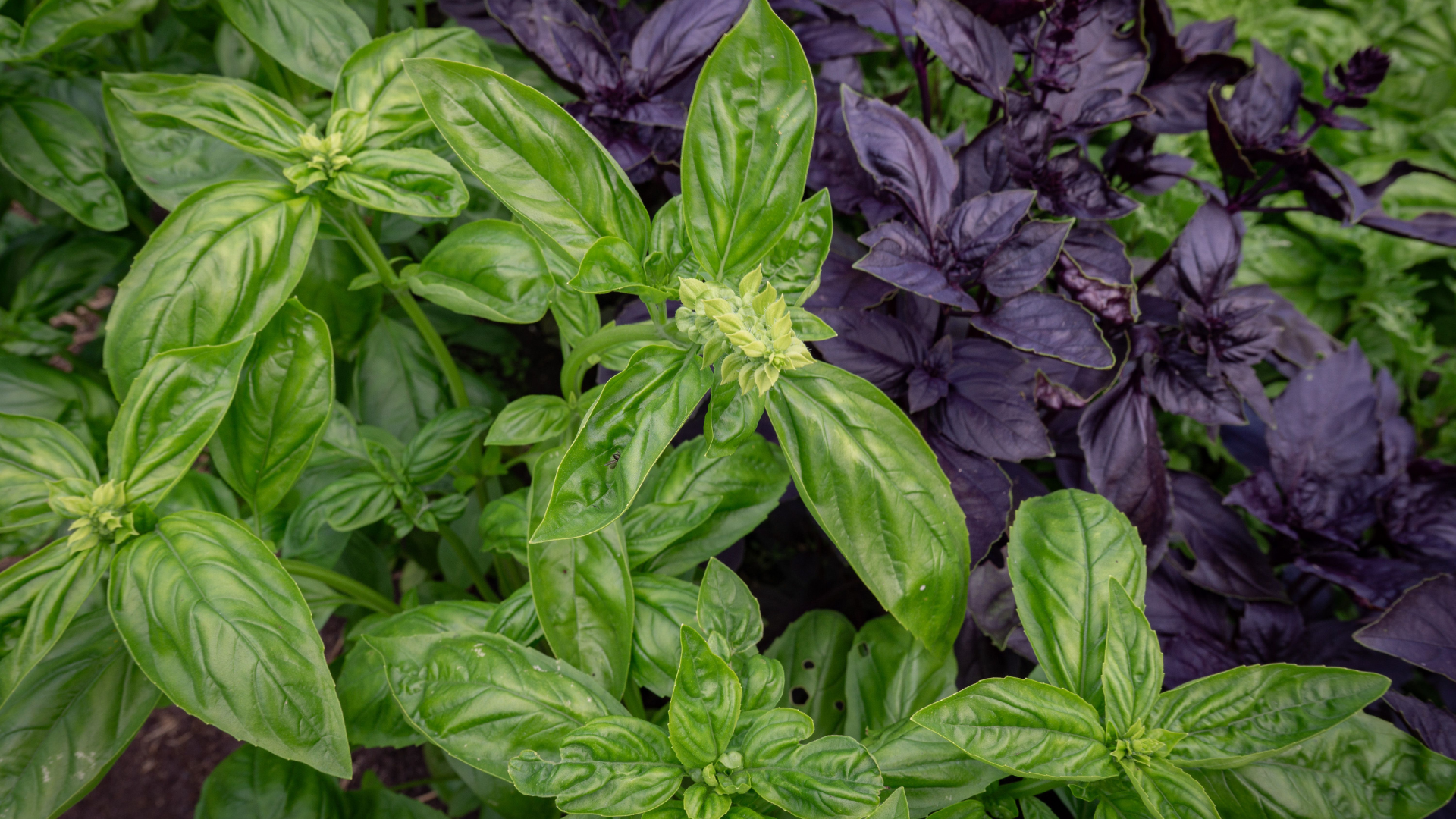
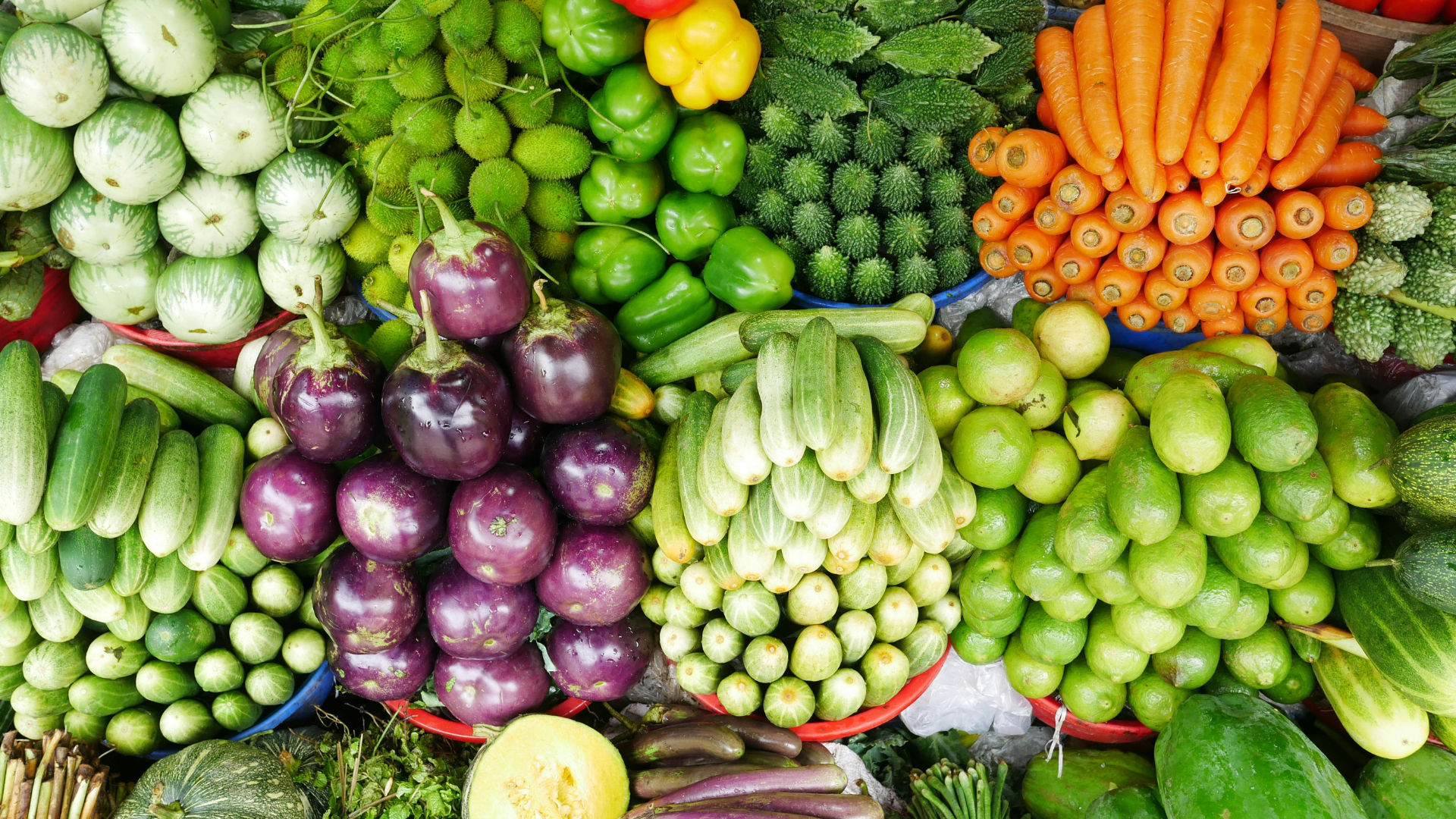
Ayurveda, the sister science to yoga, classifies food into three categories corresponding to the triple energy principle. Sattvic foods create clarity and energy, a sweet spot of balance nourishing the physical while keeping the mental state calm. Most fresh fruits and vegetables, whole grains, legumes, and nuts are considered sattvic. Rajasic foods are stimulating and may create inflammation and stress. Examples are caffeine, spicy food, eggs, dairy, onions, and garlic. Tamasic foods are heavy and can create sluggishness. Alcohol, meat, fish, chicken (all animal flesh), fried food, and sugar fall into this category.
Another yogic principle applying to food choices is ahimsa, the guidance of non-violence. From the desire to cause as little harm to others as possible, a plant-based diet arises.
My choices around food have been informed by two understandings that came to me through wisdom that someone else presented to me.
1) Eating vegan is a choice to move away from violence and toward the peace I want for the world, living lightly and with compassion.
2) The source for my food matters for flavor, environment, politics, economy, and future generations.
Our fast-paced, wealth-driven, convenience-focused society hardly leaves time for the primary act of nourishing ourselves through conscious food choices and loving food preparation. Lives are full; compromises are made. At the same time, more curiosity about the options and more attention to the choices bring a healthier connection to your body, your soul, your community, and the planet.
Kaliji was the first person in my life who spoke about eating vegan, which seemed far too extreme for a “normal” person like me. One day I heard her say, “I couldn’t do what I do if I didn’t follow a vegan diet.”
This planted a seed. I saw the energy, light, and ease she had in life. I wanted that. I had accepted so many practices in my intention to move toward her example – on the mat. With her statement began my turn toward vegan, which was sealed when Glenn and I realized plants were the obvious solution to addressing a high cholesterol diagnosis without medication.
Though the final nudge toward being 100% vegan was physical, the sustaining call is spiritual. I strive to take the most loving actions I can in this life, cause as little harm as possible, and stay connected to Universal energy and consciousness. I love that my food uplifts my energy, and the vibration of non-violence uplifts the world. This is stillness within, extended to the plate.
Over the next couple weeks as the holiday season unfolds, I’ll share more on food. Next week look for Chandra’s Tofu Scramble recipe, being served to those attending the November 22 Yogaflow® and Brunch event (space available). I also plan to tell you about a hierarchy that helps me source my food and provide links to many companies and products I support.
If you are on your way toward planning a Thanksgiving meal and want to serve plant-based dishes, check out Post Punk Kitchen. Isa Chandra knows vegan, has written many cookbooks on my shelf, and even ran a vegan restaurant in Nebraska that was a destination for us a few years back. Her blog truly has everything you will need for Thanksgiving, and more.
May you be nourished on every level through the stillness of your presence and the vitality on your plate.

Theresa Shay is the founding director of TriYoga of Central Pennsylvania, where she teaches yoga, meditation, and practices for scoliosis wellness. Her writings share wisdom cultivated from decades of TriYoga study and practice.
Learn more about her here. Theresa can be reached at Theresa@PennsylvaniaYoga.com. Find her on Instagram @TriYogaCentralPA and @scoliosis_wellness_journey for more inspiration and light.