Life After a Scoliosis Brace: A Love Note to Your Future Spine
By Theresa Shay
My Journey with a Boston Brace for Scoliosis
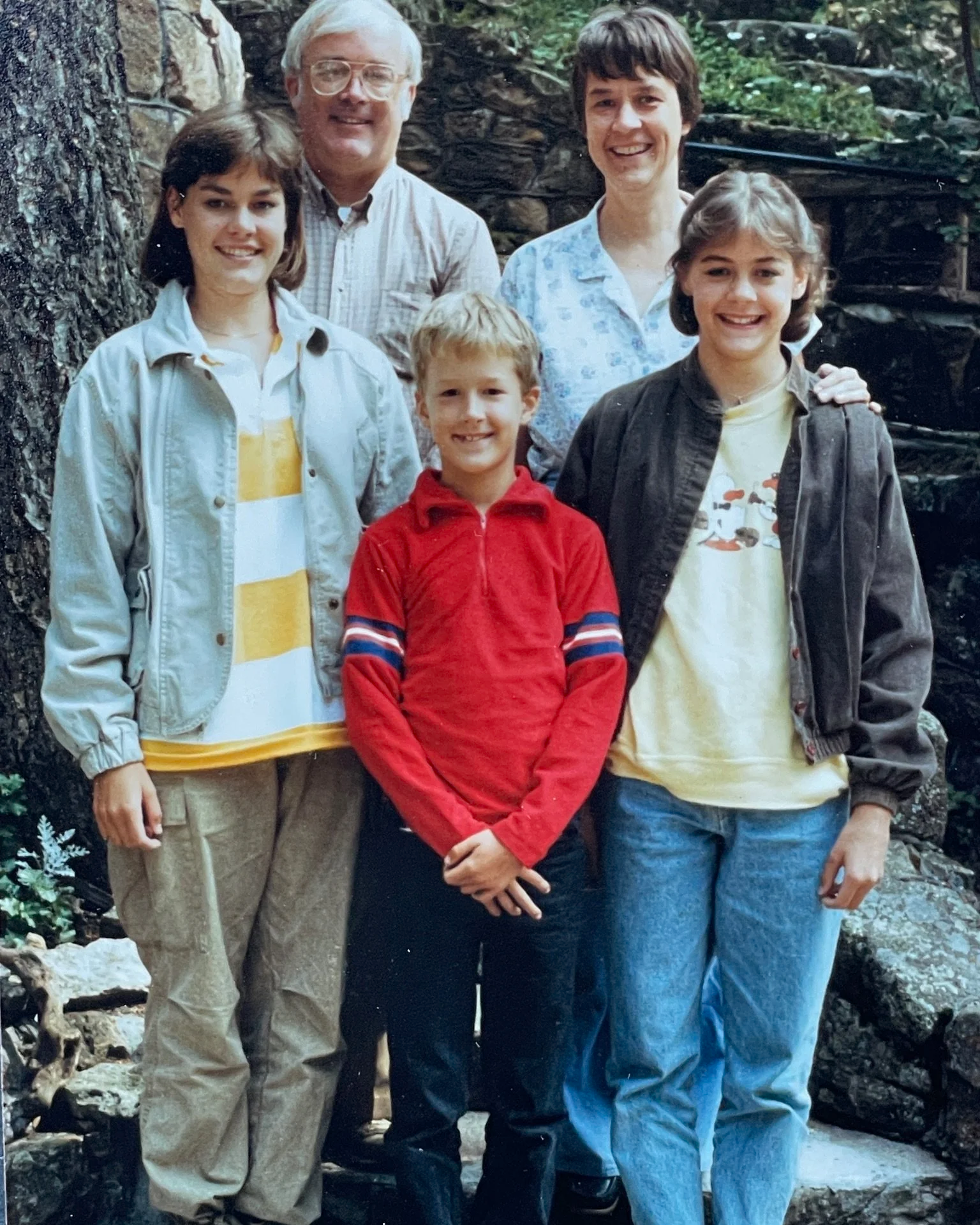
I didn’t love my back brace. I didn’t hate my back brace. I put my Boston brace on in the fall of 9th grade because my doctor said it would keep my scoliosis from getting worse. I covered it in the biggest clothes I could find to hide it. I took it off four years later when the x-rays showed my bones had matured.
My brace got me excused from gym for all four years of high school. P.E. was my least favorite part of the school day, even before I was diagnosed at age 10. I swam, which was really bouncing around in pools to survive the brutal Texas summers. I skied with my Colorado uncle in the winters, thanks to the lessons he gave my siblings and me from a very young age.
Generally, though, I lived from the neck up. My body went with me, but my heart paid it little attention.
Growing Up with Scoliosis: Waiting for Brace Treatment to End
While I was in my brace, I was mainly interested in when I’d get out. Over years of appointments, I watched my orthopedist point to the shadows on my bones, which crept toward their finish line at glacial speed. As I waited, I never considered that there was anything I could do to help address my scoliosis except wear my brace the required 23 hours a day. My doctor had given me a few exercises when bracing started, but after trying them once, I stashed the handouts in my deepest desk drawer and went back to playing piano and cello and doing homework.
What Happens After Scoliosis Bracing Ends?
When my bones finally reached their maturity mark, I began the nine-month process of weaning out of my brace. At my final appointment, I carried my brace into the office instead of wearing it. Dr. Tipton congratulated me and suggested that though my curve had increased 20 degrees in the brace, my compliance had likely kept my curve from getting even worse. He shared that curves typically progress one degree each year, maybe more during pregnancy. Now that I was done growing, he didn’t need to see me again.
When you’re a teenager freed from your brace, there is a relief – and belief - that scoliosis is finally behind you. The last thing you do is calculate what an increase of one degree a year might mean for your curve by the time you’ve reached fifty.
The Long-Term Reality of Adult Scoliosis Progression
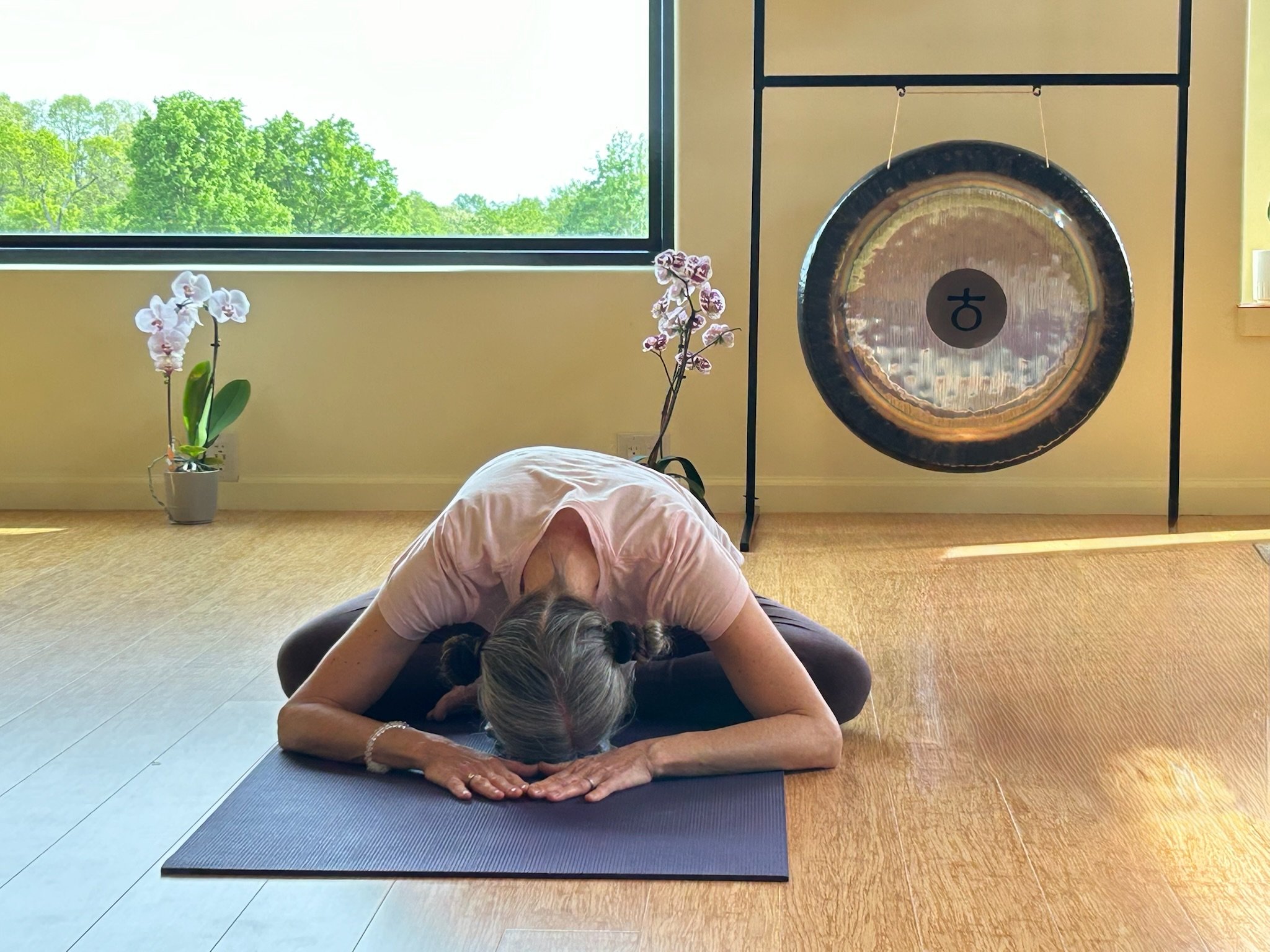
The combination of receiving no further recommendations from my doctor and my own lack of interest in physical activity could have been a disaster. Plenty of people over fifty with scoliosis face chronic pain. Some of them are considering spinal fusion in hopes of relieving that pain.
My story is different, and it’s a love note I am writing to your future spine.
How Yoga Changed My Relationship with My Scoliosis
In my twenties, nine years after my treatment ended, I found myself at a TriYoga® class learning how to breathe, relax, and release tension stored in my body and my mind. I was drawn to yoga because it seemed like a form of exercise that I could do. It was taught at a dance studio, not a gym. I liked the quiet and the solitude that allowed me to listen to myself breathing. I needed the relief it gave after challenging days of teaching ninth graders at an urban school.
My movement into yoga in my twenties had nothing to do with wanting to address scoliosis, but unknowingly, the step was a critical one. The choice to start yoga changed the trajectory of my physical health because I began to form a conscious relationship with my body.
Finding Strength Through TriYoga and Mindful Movement
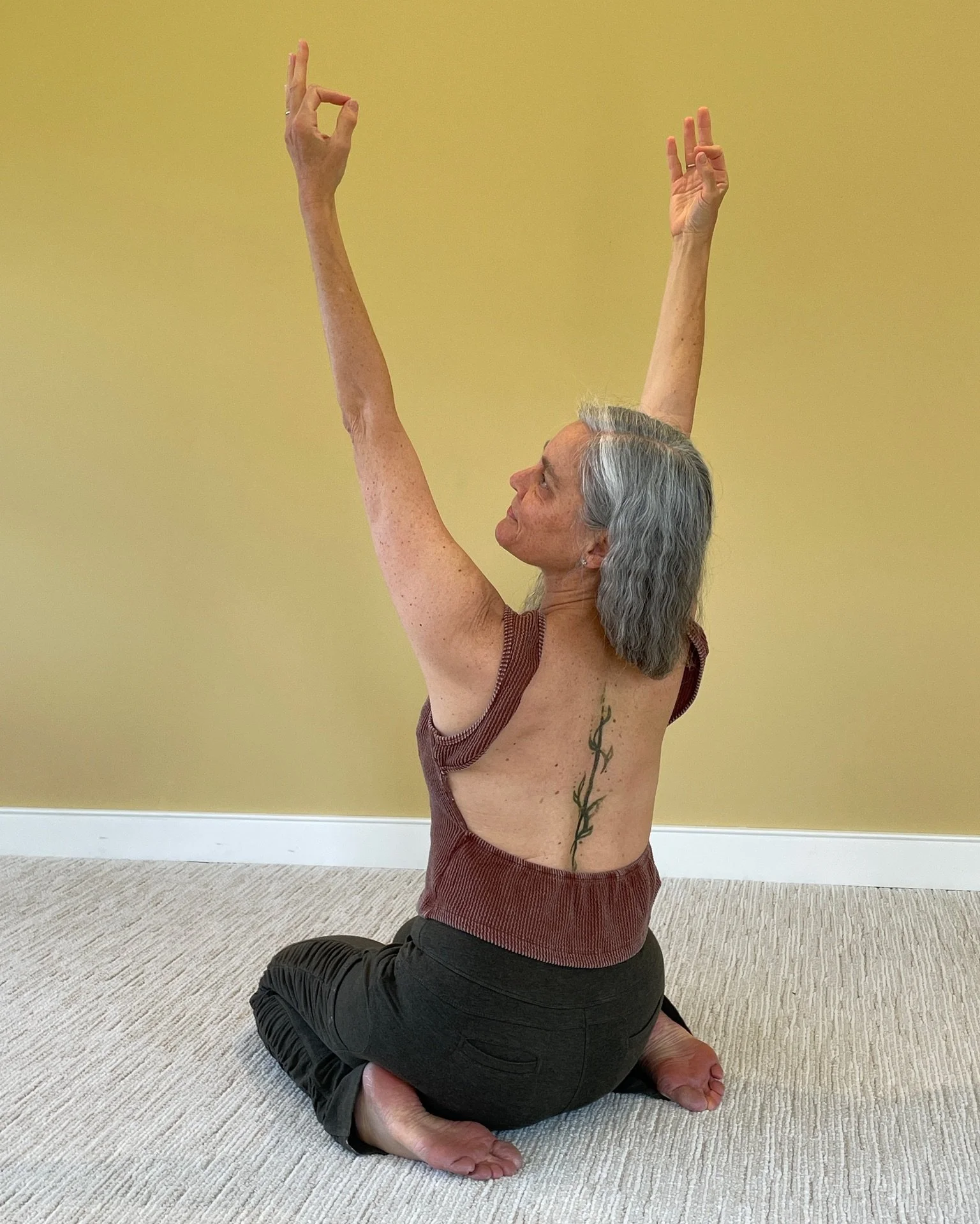
The more TriYoga I did, the better I felt, physically and mentally. TriYoga is slow and quiet, refined and systematic, full of practices that gradually helped me develop a deep sense of awe for the body I have been given – even with my curving, twisting spine. The practice was like meeting a new friend you know will always be there for you.
Scoliosis can make you feel like you’ve been betrayed by your body. The truth is, the body is constantly doing everything it can to help you stay upright, alert, and alive. As I’ve explored my body, my breath, and my mind over the years, I have developed immense gratitude. My gift in return is staying committed to my daily yoga practice.
My Scoliosis over the Years
Through my twenties, thirties, and forties, I had no pain from scoliosis. I credited TriYoga and thanked my teacher Yogini Kaliji at every turn. I rarely went to the doctor, never sought out an orthopedist as an adult, and went thirty years without having an x-ray.
As I approached 50, my body began changing. The body I had established a relationship with over three decades began to feel more twisted. Standing for long periods of time to chop veggies left my back aching. I didn’t make the connection that I was going through the hormonal changes of menopause, which like adolescence and pregnancy, can induce major shifts in the curves for women with scoliosis.
Discovering Yoga for Scoliosis
Around this time, I found myself at a Yoga for Scoliosis class. I signed up not to explore my scoliosis, but to visit my friend Mandy’s new yoga studio. At the end of that class, I felt relief I didn’t know was possible. I knew I needed to learn how to approach my TriYoga practice with new refinement. I studied Yoga for Scoliosis with Mandy Glitzer and eventually became certified as a Yoga for Scoliosis Trainer with Elise Browning Miller.
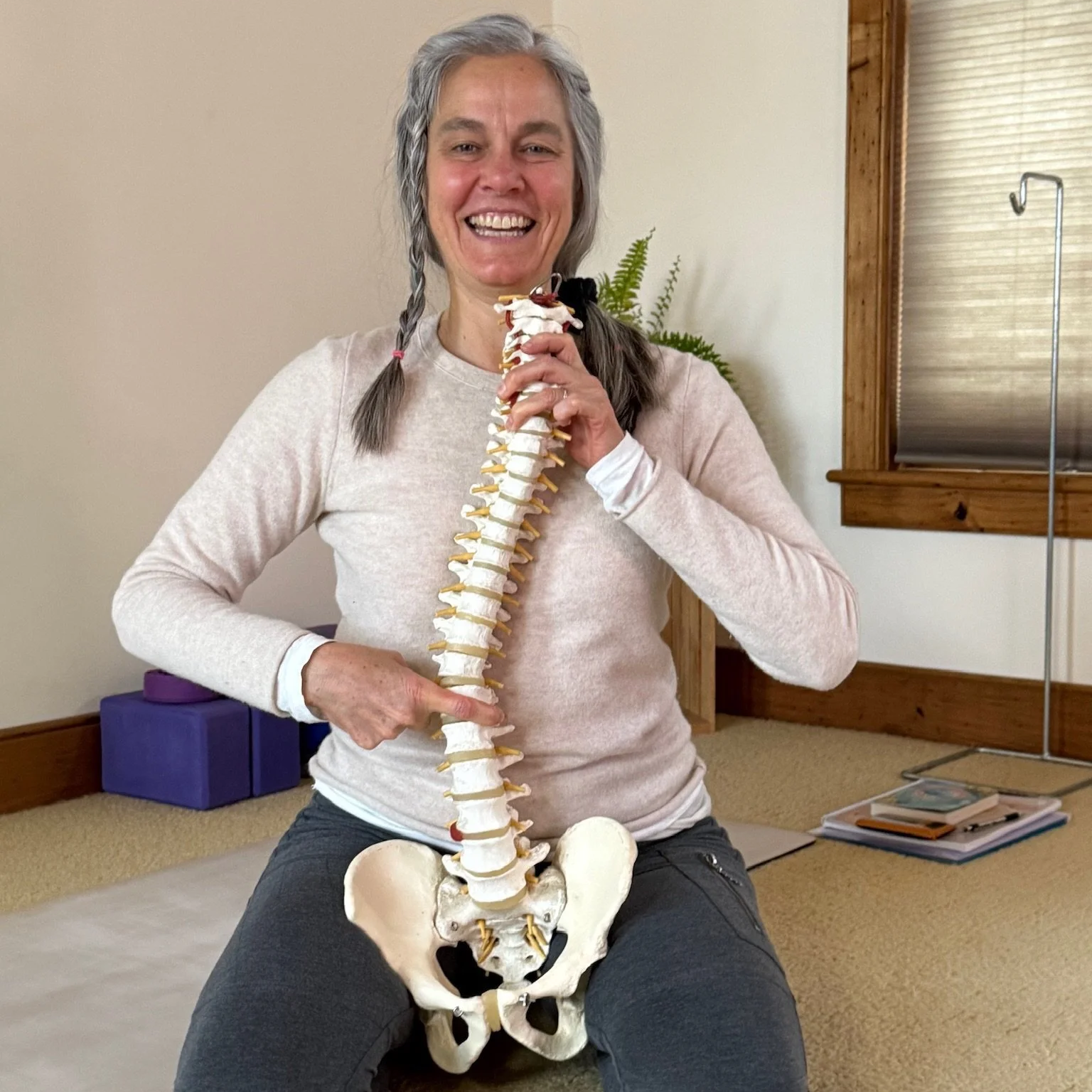
I feel well equipped to meet the second half of my life with scoliosis. Daily, I go to my mat to pay attention to my body and give it the love it needs that day. I access my breath and use it to keep my mind calm, especially when physical challenges rise, because they do. I watch my mind and make sure my thoughts are not creating more tension.
I’ve learned to work with my spine asymmetrically, addressing my unique curve pattern with precision to do what I can to keep my curve from progressing. My spine functions well, and I feel centered within my imbalances. I have ample energy that I now put toward supporting others who live with scoliosis by teaching them a scoliosis-specific approach to TriYoga.
My Advice for Teens Finishing Scoliosis Brace Treatment
You, in that body with the brace snugged so around you close, have important things to tend to right now: growing, learning, connecting with friends, finding out who you are and where you want to go in the world. When the day comes that you graduate from your brace treatment, celebrate fully! Feel the fresh air touch your skin. Bend over to pick dandelions as you haven’t been able to for some years now.
Then write your body a love note. Something like this:
Dear Body,
Thank you for everything you do for me. I’m off to celebrate being out of my brace, but I’ll be back very soon to build a new life with you. I’ll find ways to move that care for you as you care for me. I’ll learn to breathe and fill those places that want to fold over on themselves. I’ll study our spine and with the help of someone who understands scoliosis, I will learn what I can do to care for you, support you, and be in a healthy relationship with you so that we can thrive for decades to come. I look forward to the rest of our years together.
Love, Me
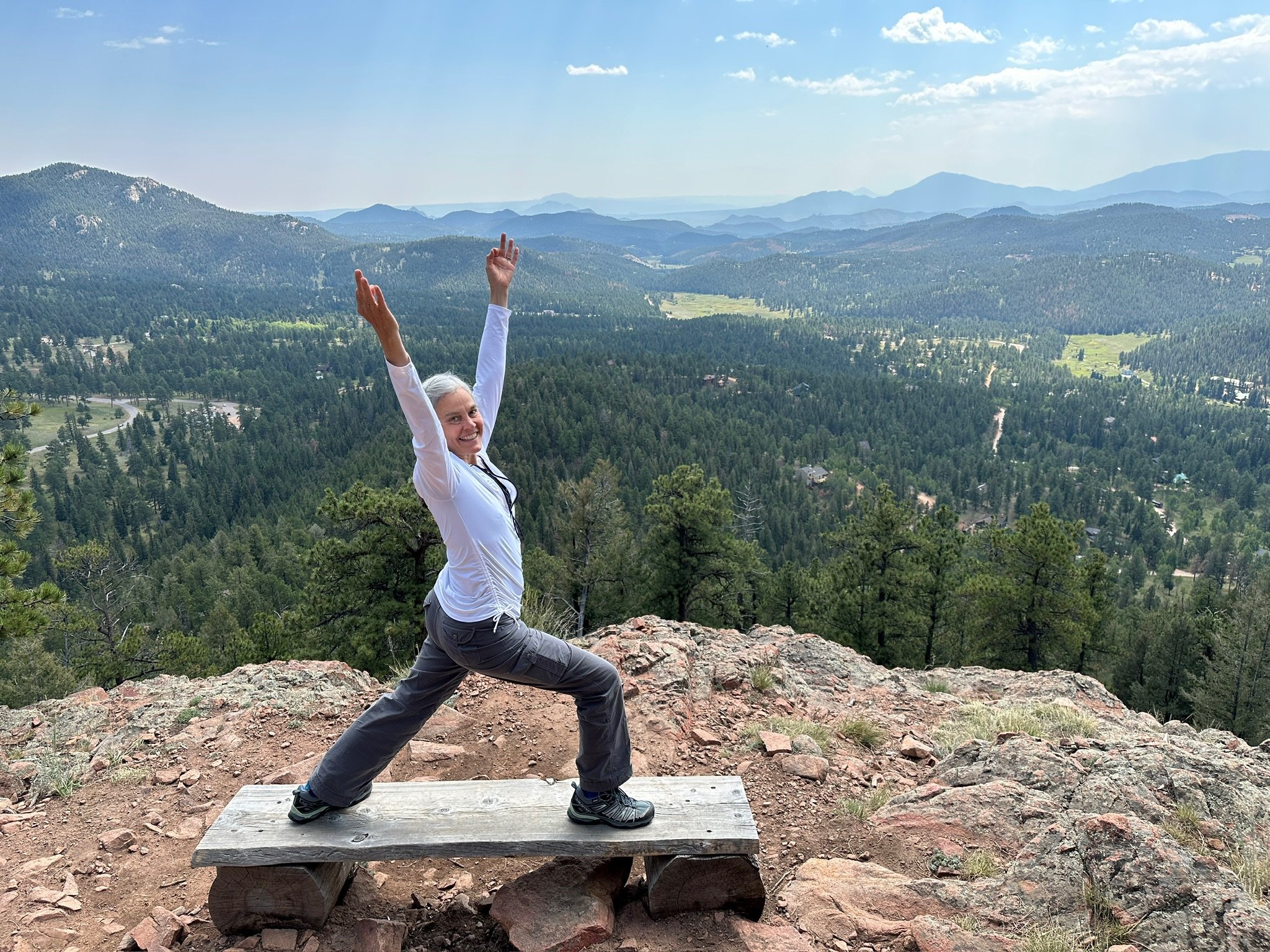
Tuck this love note into your pocket. Remember it’s there. Sometime before you are 25, at most 30, take it out, read it, and start creating the next chapter of your scoliosis journey with conscious movement. Decades down the road, you will stand tall and strong, healthy and wise, with plenty of energy to do what you are here in the world to do.
Your Next Chapter: Thriving Beyond Scoliosis Treatment
You can’t control the outcome of your spine’s story, but you can do your part to give your spine the best chance it has to thrive. I’ll be on the lookout for you, cheering you on from a few decades further on. You can do this, I know you can. Your post-brace chapter is going to be precious.
This piece was originally published on Scolios-us: Putting the “Us” in Scoliosis. Scolios-us in a 501(c)(3) non-profit organization designed to empower scoliosis patients and the healthcare providers treating them. Their mission is to help kids and teens with scoliosis successfully navigate treatment.

Theresa Shay is the founding director of TriYoga of Central Pennsylvania, where she teaches weekly yoga and meditation online and trains others to teach TriYoga®. Each week, she shares wisdom cultivated from decades of TriYoga study and practice.
Learn more about her here. Theresa can be reached at Theresa@PennsylvaniaYoga.com. Find her on Instagram @TriYogaCentralPA and @scoliosis_wellness_journey for more inspiration and light.