Scoliosis Denial? Delusion? Lack of Support?
By Theresa Shay
Sit down to dinner at a Yoga for Scoliosis training in Montana, as I did recently, and the meal will likely begin with a question about your scoliosis journey.
Spend a week listening to these stories, and you will realize that nearly all of us disregarded our scoliosis for decades before stepping toward it.
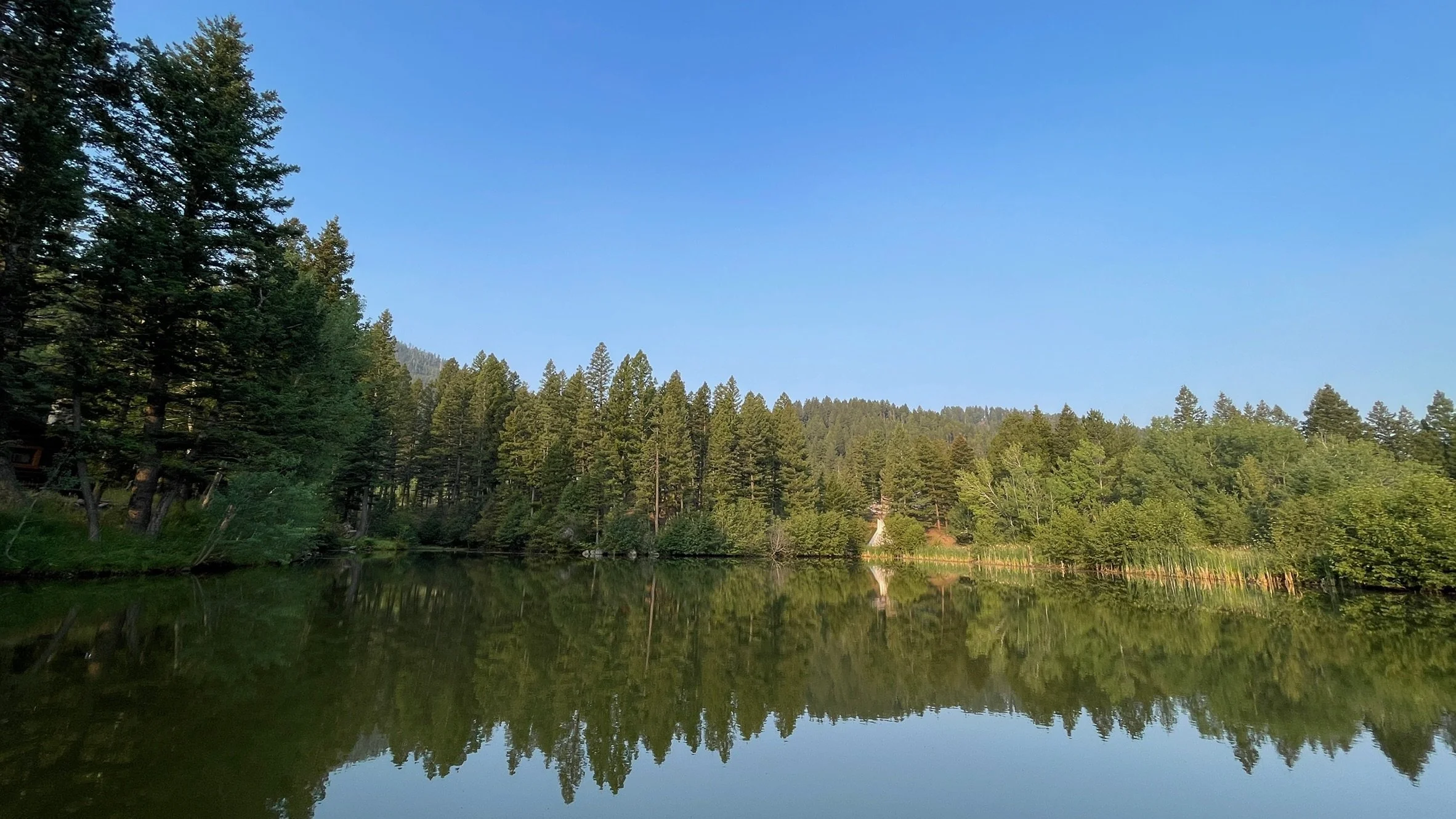
Expanding my circle of friends with Adolescent Idiopathic Scoliosis (scoliosis of unknown origin that rises during adolescence) has brought forward a theme with variations. The stories I heard in Montana echoed those I heard at the scoliosis conference BioniCon in April. Four scenarios, a blending of stories and not actual individuals, illustrate common experiences:
A: Adrienne was diagnosed young by the school nurse, but nothing was done about her curve. When I meet her, she has severe scoliosis that limits her daily activities and has compromised her ability to stand tall.
B: Barb completed treatment (back brace followed by fusion surgery) as a teen. After treatment, nothing more was done. No education was given about how to adult with scoliosis. When I meet her, she is pitched forward with flat back syndrome and lives with daily pain.
C: Catherine shares with me that her Dexa scan shows scoliosis. A few months later she remembers, albeit vaguely, that she was told in junior high she had scoliosis. Nothing had been done about it, and she’d forgotten she even had it until now.
D: Diane thinks maybe she made it up, that she has scoliosis. Her parents don’t remember anything about it, but Diane clearly remembers a visit to the doctor and the relief she felt when the doctor said her curve wasn’t bad enough to need a brace. These days, she’s starting to have back pain, and she’s been noticing imbalances in her yoga for a while. Maybe it’s the scoliosis?
Have we been in denial, we with our scoliosis diagnoses? Living with a condition that exists deep beneath the surface, invisible to the untrained eye, maybe so. Eva can even tell you she knows how to wear her hair, dress her body, pose in pictures, and stand in a crowd to hide her asymmetry.
But is this denial?
Denial is a refusal to accept our condition. Certainly some parents who didn’t seek help when their child was diagnosed may have denied a reality at the expense of the child. Perhaps they couldn’t bear to acknowledge that their child had a deformity, as the medical world explains it. Some parents, however, were told the curves were mild and it was nothing to worry about. Just like adults who get diagnosed.
I’m skeptical that denial is the biggest player in managing a body with scoliosis. The disregard most of us had for decades around our scoliosis was simply lack of knowledge and support. Due to lack of knowledge, we lived with delusion that the condition was behind us and we’d be fine.
I had no idea what it meant when the doctor said my curve might increase one degree a year through adulthood. It didn’t sound like much to my seventeen-year-old ears. Furthermore, the statement came with no instructions, cautions, suggestions, or recommendations for healthy aging with scoliosis. We simply celebrated that my bracing phase was complete, and out I walked into the rest of my life.
My disregard for scoliosis in my 20’s, 30’s, and 40’s was full of gratitude and acknowledgement. I often expressed how blessed I felt that I came to TriYoga in my 20s. “It’s kept my scoliosis from being an issue,” I explained. I didn’t yet understand how gravity, hormonal changes of menopause, and the one degree a year for forty years would stack up.
This is where the scoliosis saints come marching in.
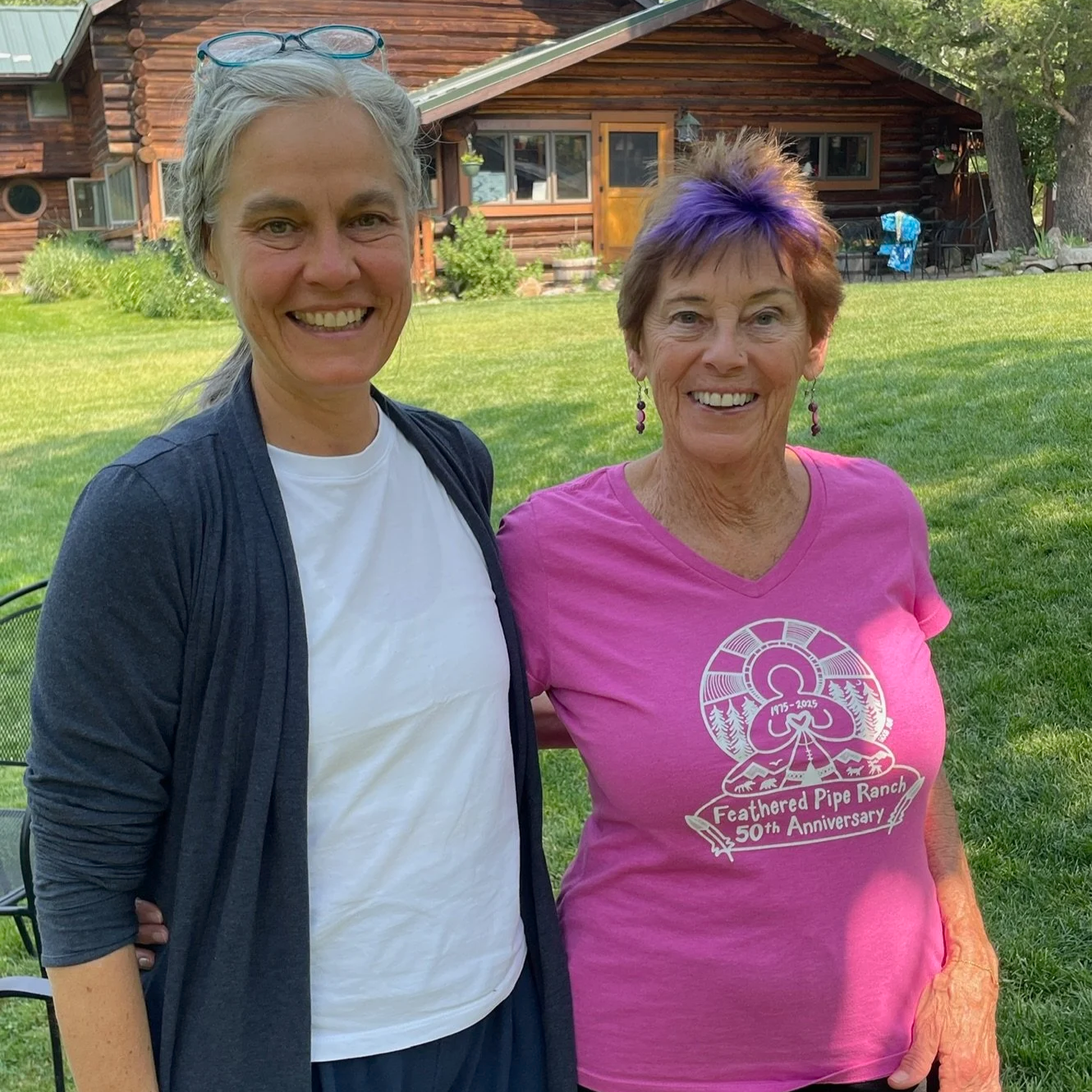
While I was in Montana at the Yoga for Scoliosis training with the founder of the movement, Elise Browning Miller, she shared with me how her service to the scoliosis community began. In the May/June 1990 issue of Yoga Journal magazine, Elise’s article “Yoga for Scoliosis” appeared.
Published long before the ease of email replies or website comments, the article elicited thousands of letters which flooded the Yoga Journal office. “Where shall we send all of these?” the folks in the office asked Elise. People from all over the world reached out, shared stories, thanked Elise for her knowledge, and asked to learn more. Elise, without ever intending to become a Yoga for Scoliosis teacher, realized her service was needed and moved in the direction of scoliosis.
I am a beneficiary of her journey, as are thousands of people around the planet. After 47 years of living with a curvy spine, I am receiving the knowledge and support I need to carry my curve forward in healthy ways. This is knowledge that will serve my entire life with this spine, and knowledge I could have…and would have…used long ago if I’d had it.
The biggest challenge for people living with scoliosis is not denial. The biggest challenge is not receiving the knowledge and support we need to know how to move toward health, happiness, and wisdom. The medical world serves scoliosis in a limited way with their limited focus. It’s up to us with scoliosis who understand the condition from the inside out to step forward and educate, just as Elise did almost forty years ago.
Thank you, Elise, for getting the curved ball rolling in the world of yoga. Our journey is in no way a straight path, but it heads directly to a better life for people who live with scoliosis.
Forever grateful,
Taller Theresa

Theresa Shay is the founding director of TriYoga of Central Pennsylvania, where she teaches weekly yoga and meditation online and trains others to teach TriYoga®. Each week, she shares wisdom cultivated from decades of TriYoga study and practice.
Learn more about her here. Theresa can be reached at Theresa@PennsylvaniaYoga.com. Find her on Instagram @TriYogaCentralPA and @scoliosis_wellness_journey for more inspiration and light.