Scoliosis Hides, So Let’s Go Seek
By Theresa Shay
Scoliosis comes as a surprise to most kids and adolescents who find out they have it. The surprise may be even greater for their parents. Adolescent Idiopathic Scoliosis (meaning “cause unknown”) is the most common type of scoliosis. Symptoms are rare in young bodies. Scoliosis curves can manifest in the spine without causing any pain. This means the condition easily goes unnoticed, which is why you need to look for it in all the young people you love.
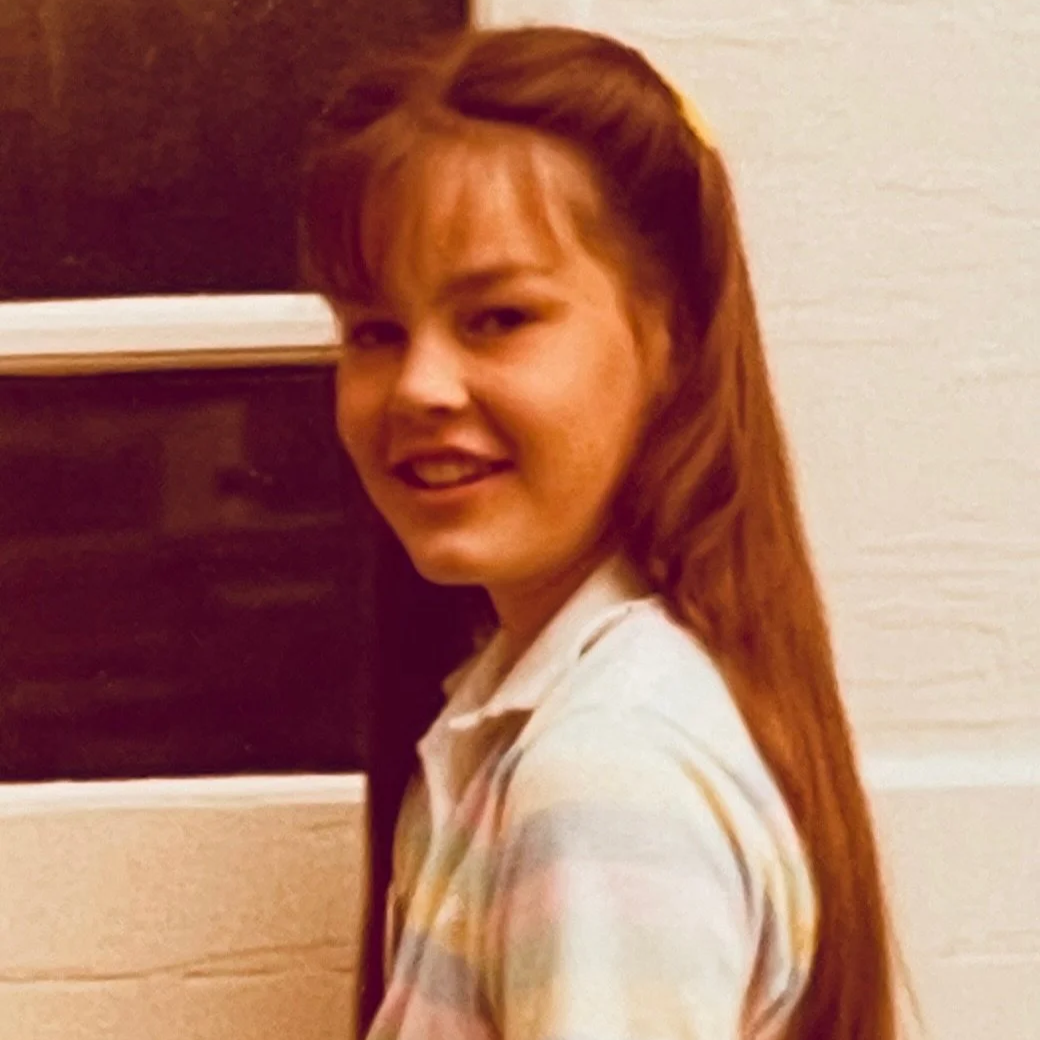
Beginning in the 1960s, school screenings for scoliosis gained momentum in the United States. By the time I was in elementary school in the 1980s, school screenings were mandated across the United States. This practice led to my diagnosis as a fifth grader, with treatment in my teenage years while my bones were still growing.
In 2004, the U.S. Preventive Services Task Force came out against routine screening of adolescents for idiopathic scoliosis, leaving states to decide whether to require screenings. Currently, approximately 33 states in our country have a scoliosis screening program. Pennsylvania does; Oregon does not. Texas does; Colorado does not. Since screening is not guaranteed for every young person, families carry a bigger responsibility to be on the lookout for scoliosis.
The reason is simple: early detection creates better outcomes for people with scoliosis.
If you’ve ever helped a plant in your garden grow straighter by propping it with a stake, you know that support at the right time makes a difference in the direction of growth. This is true for young spines as well. Supportive action taken when the spine is skeletally immature can significantly influence what happens to a curve during the rapid growth of adolescence.
The Scoliosis Support and Research organization from the U.K. produced a clear video last year on the ABCD for scoliosis detection. I will link that video at the end of this blog for visuals to demonstrate these ways to sleuth out scoliosis as you look at the young people in your life.
A, for Asymmetry. Scoliosis is characterized by asymmetry left to right, creating uneven shoulders, shoulder blades, ribs, hips, or a tilted waist. Look for this, and if you see asymmetry, investigate.
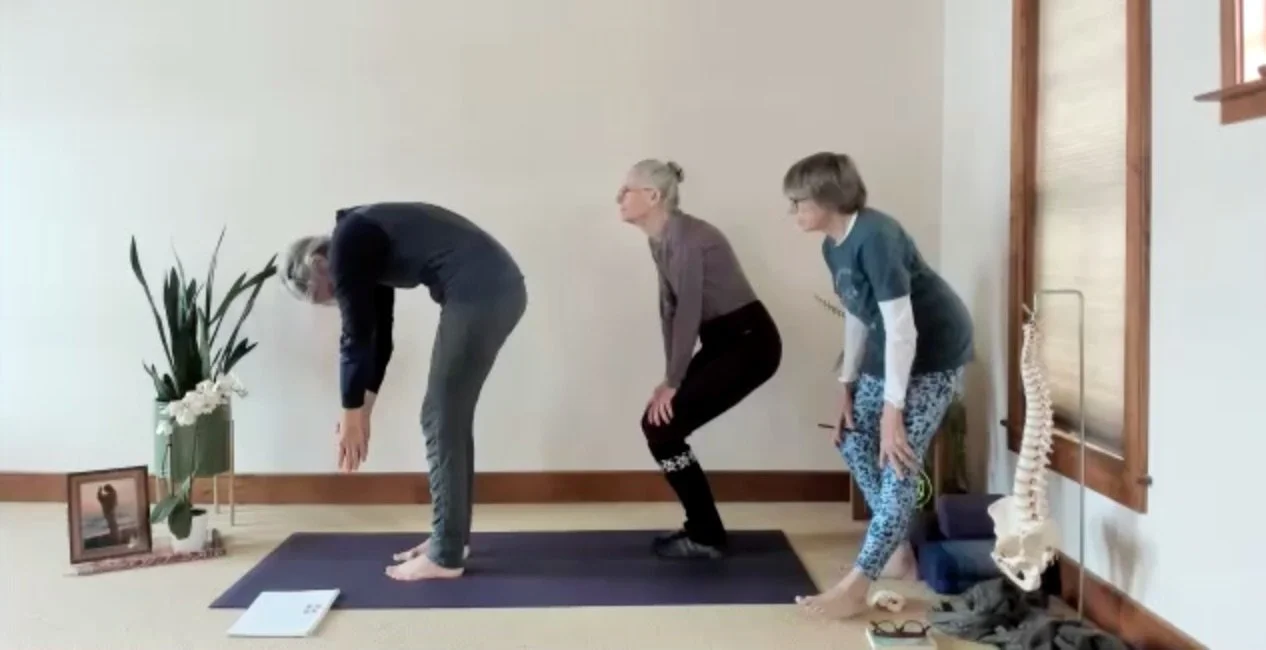
B, for Bend Forward. The Adams Forward Bend test, which was used to find my scoliosis, is still used today to spot scoliosis. Have the young person bend forward with legs straight and hands together. When they roll up, look across the back, level with the ground, to see if one side of the back higher than the other. As they roll up, you may see the prominent side move across the midline to the other side, like the hills of West Virginia that twist and turn. The presence of a prominent side can be an indication of scoliosis.
C, for Check for Curves. Look at the spine and see if you spot a curve. Some curves look like a C pattern. Some look like an S, made up of two curves. Once scoliosis has been diagnosed, the curves are easier to see, and you may even wonder, “How did I miss that?” Before diagnosis, however, you must choose to look. Summer is an easy time to keep an eye on spines. If the vertebrae appear to wander off from center, investigate.
D, for Diagnosis by X-ray. Official diagnosis of scoliosis is made through an X-ray by a medical professional. The typical X-ray showing scoliosis only reveals one of the three planes affected by the condition. Nevertheless, this confirmation of an asymmetric spine sets the ball rolling in the medical community.
I did not enjoy being screened for scoliosis, but I do believe it helped me. As a proponent of screening, I align with the Scoliosis Research Society, the Academy of Orthopedic Surgeons, and the American Academy of Pediatrics, all of whom recommend screening for pre-teens heading into adolescence.
Be on the lookout for scoliosis for your child, grandchild, niece, nephew, neighbor, and young friends. Your giving attention and careful observation to their spines before and throughout adolescence could prevent decades of challenge and pain down the road.
Recommended Resources
Watch the short ABCD film from Scoliosis Support and Research on how to detect scoliosis:
https://www.instagram.com/p/DKZBRiZtLo3/
Here is a link to visuals for Asymmetry and the Adams Forward Bend Test, from a wonderful support group for young people,Scolios-Us.
https://www.bracingforscoliosus.org/how-to-detect-scoliosis/

Theresa Shay is the founding director of TriYoga of Central Pennsylvania, where she teaches weekly yoga and meditation online and trains others to teach TriYoga®. Each week, she shares wisdom cultivated from decades of TriYoga study and practice.
Learn more about her here. Theresa can be reached at Theresa@PennsylvaniaYoga.com. Find her on Instagram @theresa_of_triyoga for more inspiration and light.